Pilot on promoting e-mobility in Udaipur City
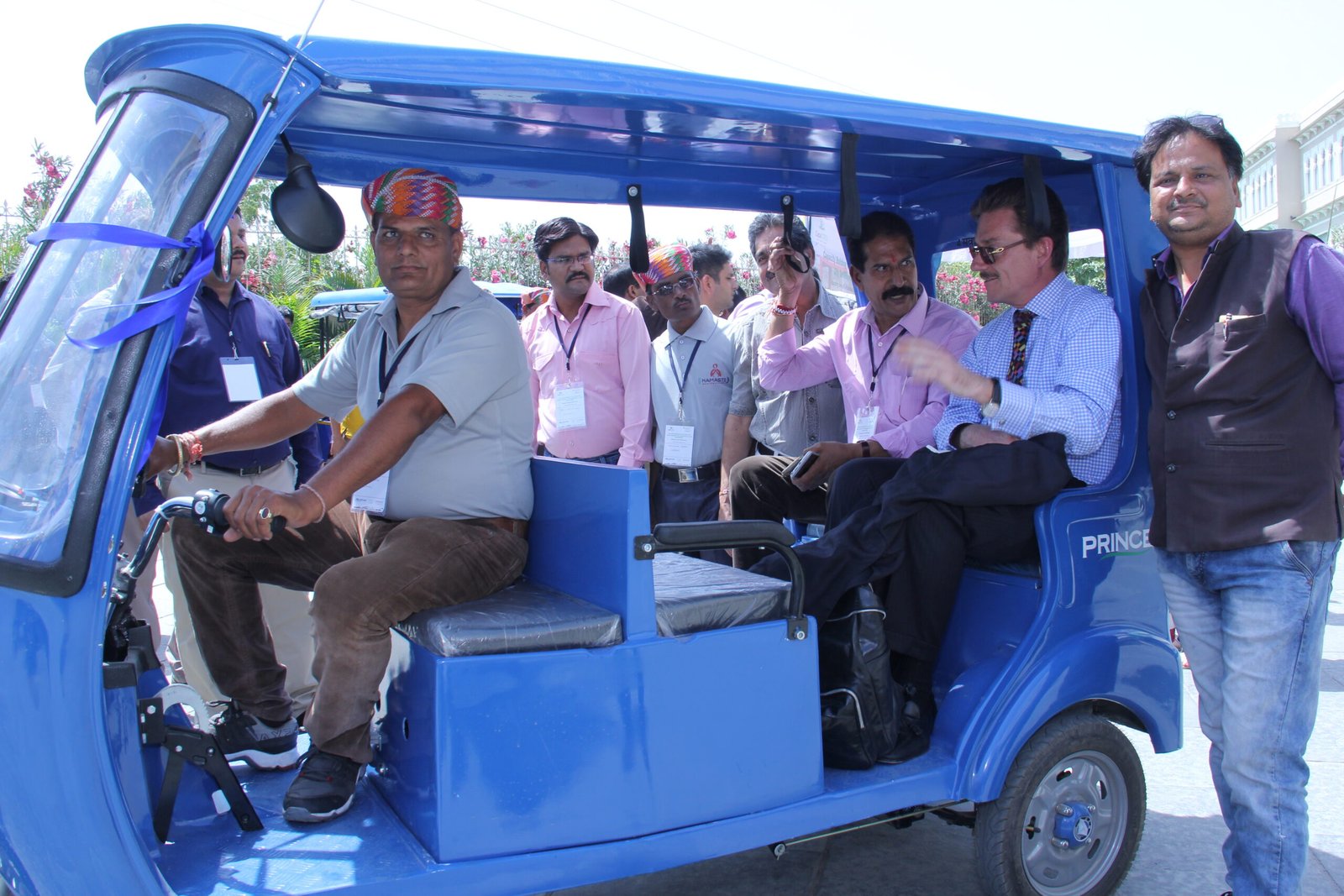
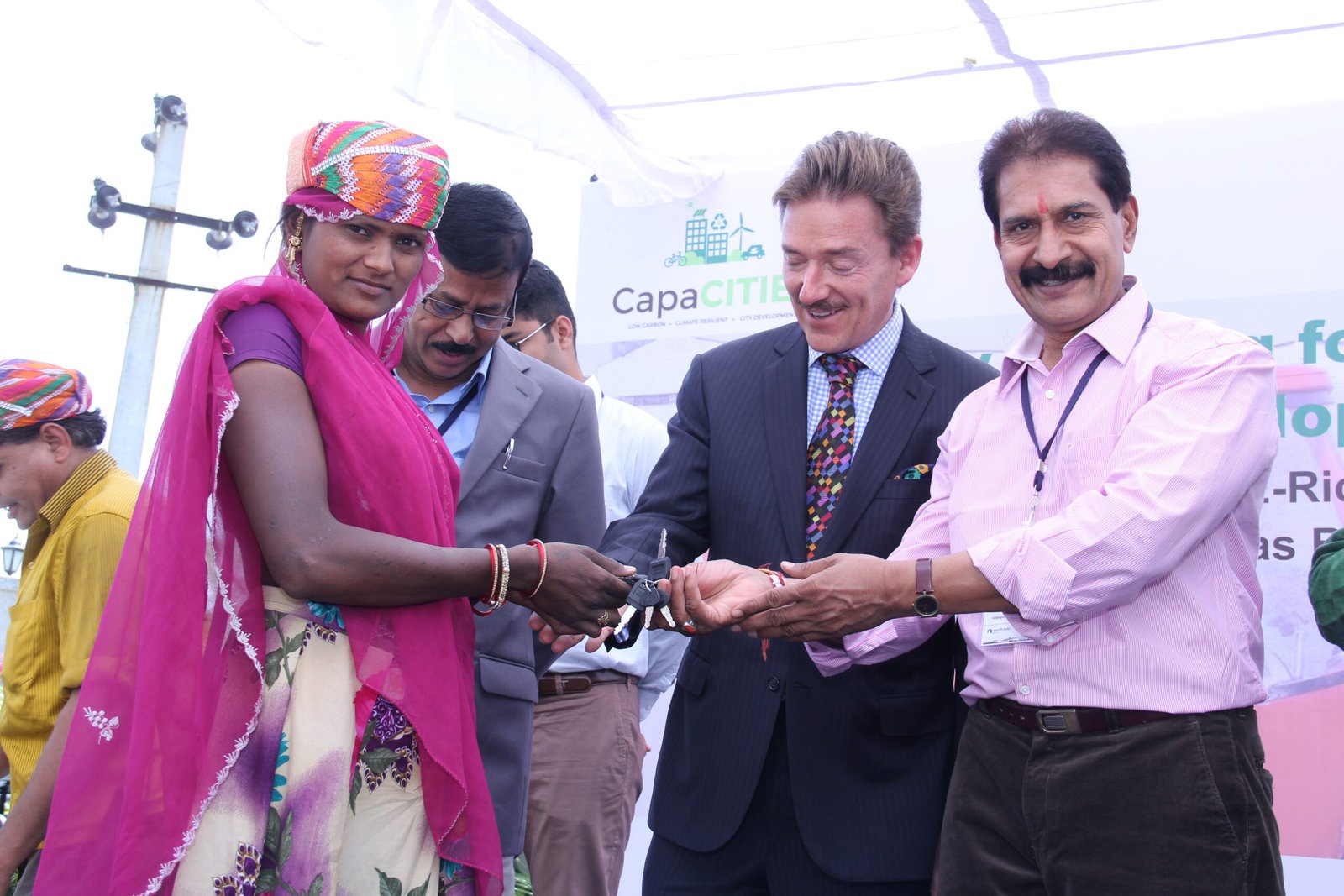
Udaipur Municipal Corporation (UMC) with technical assistance under CapaCITIES project intends to transform its IPT fleet by promoting e-rickshaws in the city and restrict growth of diesel/ petrol based autos. Due to peculiar terrain and user base in Udaipur, UMC was keen to implement an initial pilot to evaluate the technical capacity and workability of e-rickshaws in local context. CapaCITIES project assisted the city to implement the pilot to evaluate the technical capacity and workability of e-rickshaws in the context of Udaipur.
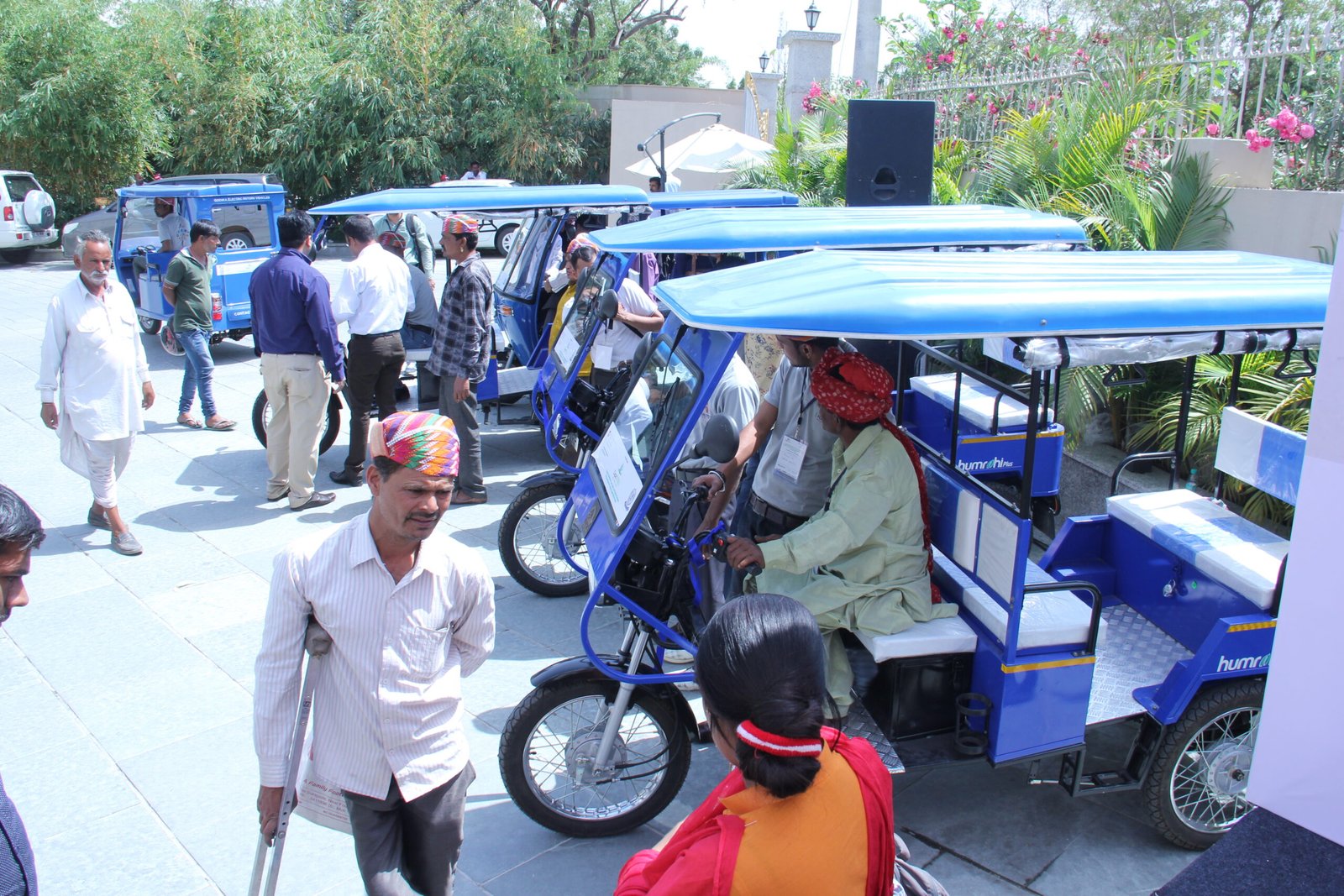
This included deployment of 18 e-rickshaws of different types (passenger and freight), specification and technology including lithium ion batteries, with close monitoring for over three months. As part of monitoring, data related to performance and financial indicators was collected for both conventional rickshaws as well as e-rickshaws. This was further complemented with stakeholder assessments. The assessment of results from this initial pilot are acting as a base for city to scale up scale-up the low carbon IPT system especially faster deployment of E-rickshaws.
Currently, in absence of a robust public transport system in the Udaipur, Intermediate Public Transport (IPT) caters to the need for mobility of citizens. IPT in Udaipur, majorly consists of auto rickshaws running on diesel engines, which leads to high emissions and vehicular pollution. As per the RTO (Regional Transport Office) data, Udaipur had more than 6313 auto rickshaws and 2600 tempos (larger autos with 6- 8 seater capacity) in 2012, catering to the local mobility needs. The number of IPT is gradually increasing with time and over 40 per cent of auto rickshaws are more than 10 years old, substantially contributing to the city’s pollution and emissions.