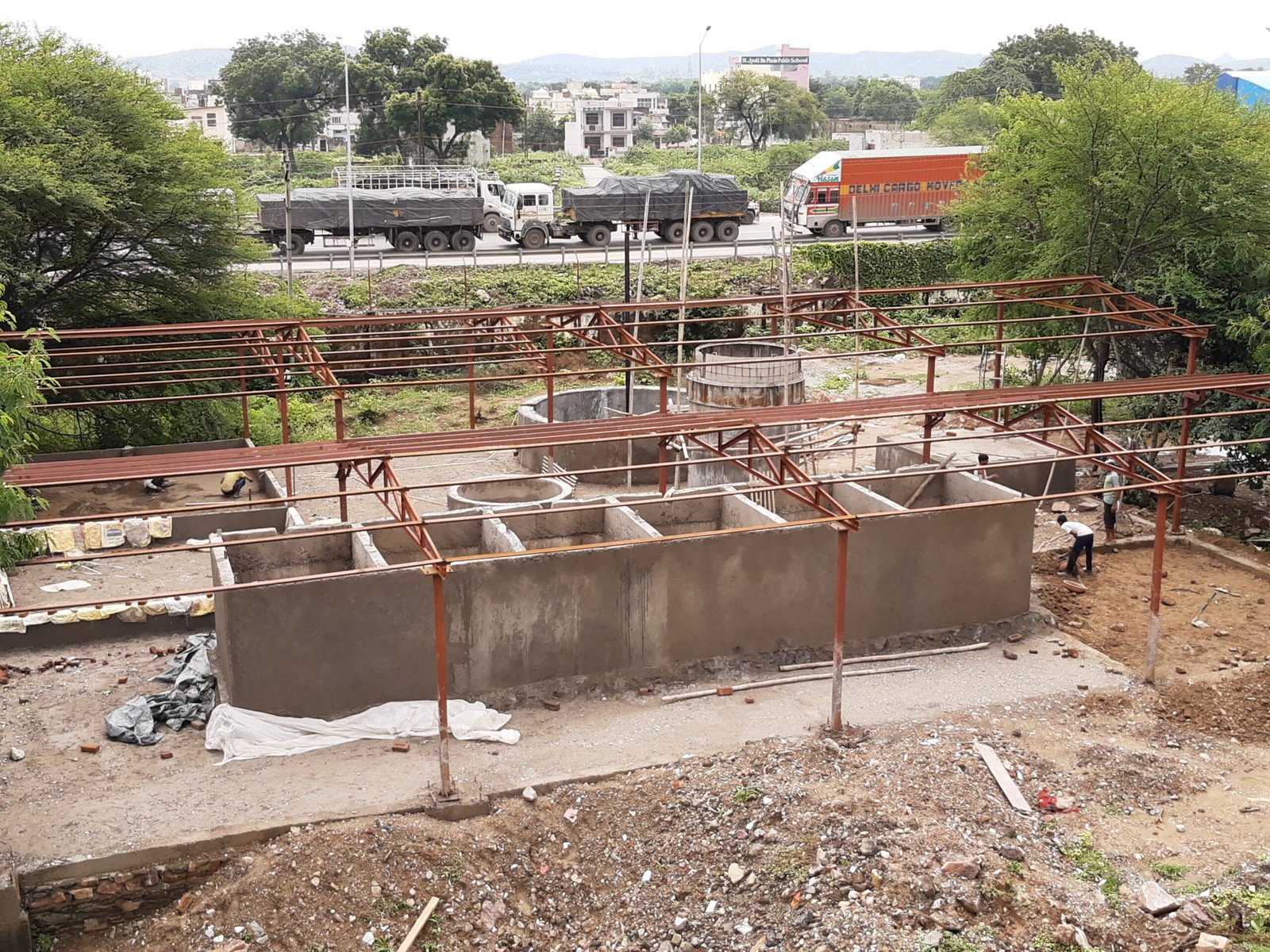
SUNYA total waste zero including setting up a bio methanation plant (2 TPD)
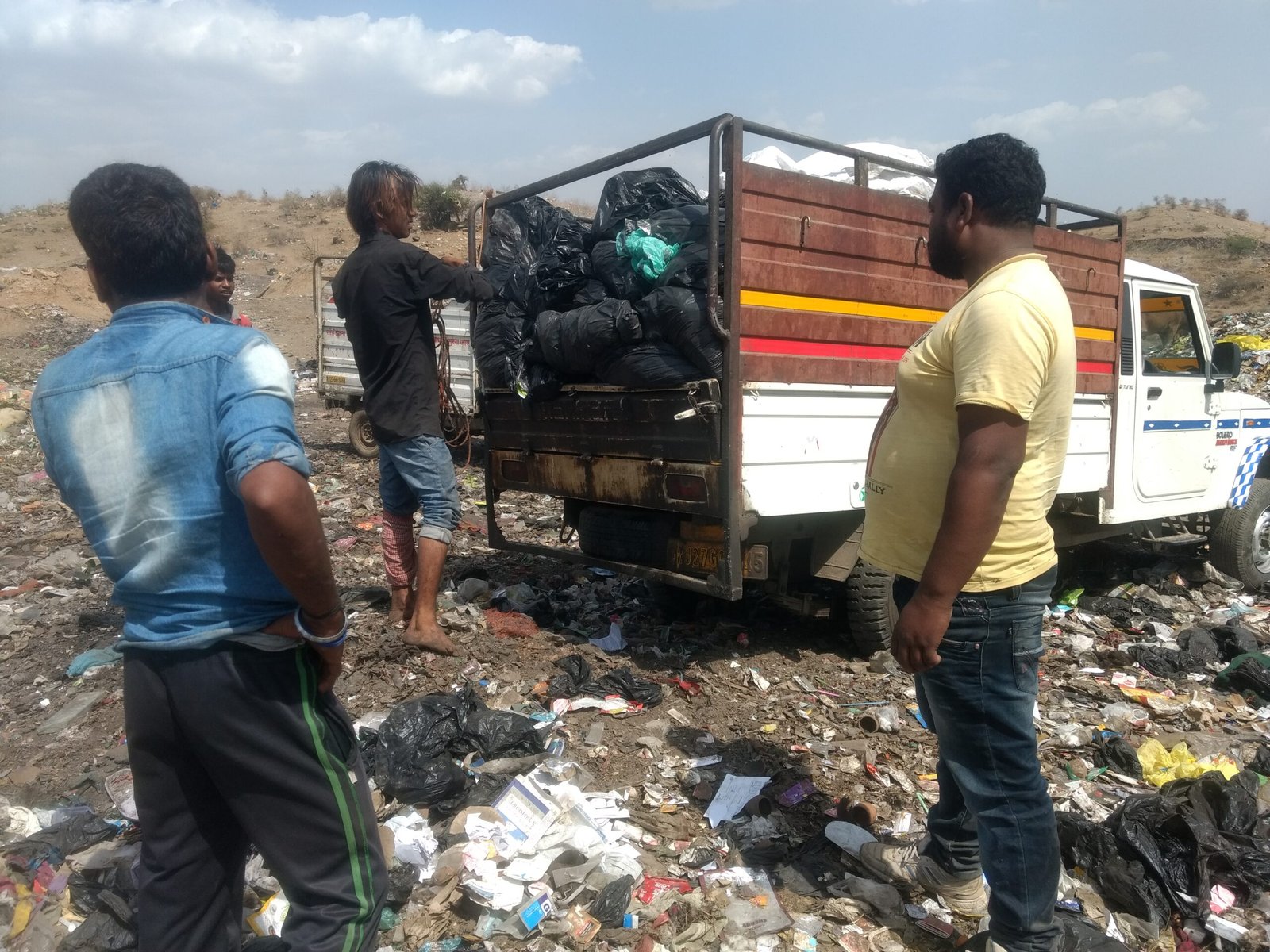
There is no systematic storage and collection practice in Udaipur, with door-to-door waste collection taking place only in a few wards. From the rest of the city, the waste is collected by sweepers from the road periodically – twice a week or once a week. Community bins have been recently installed in a few wards.
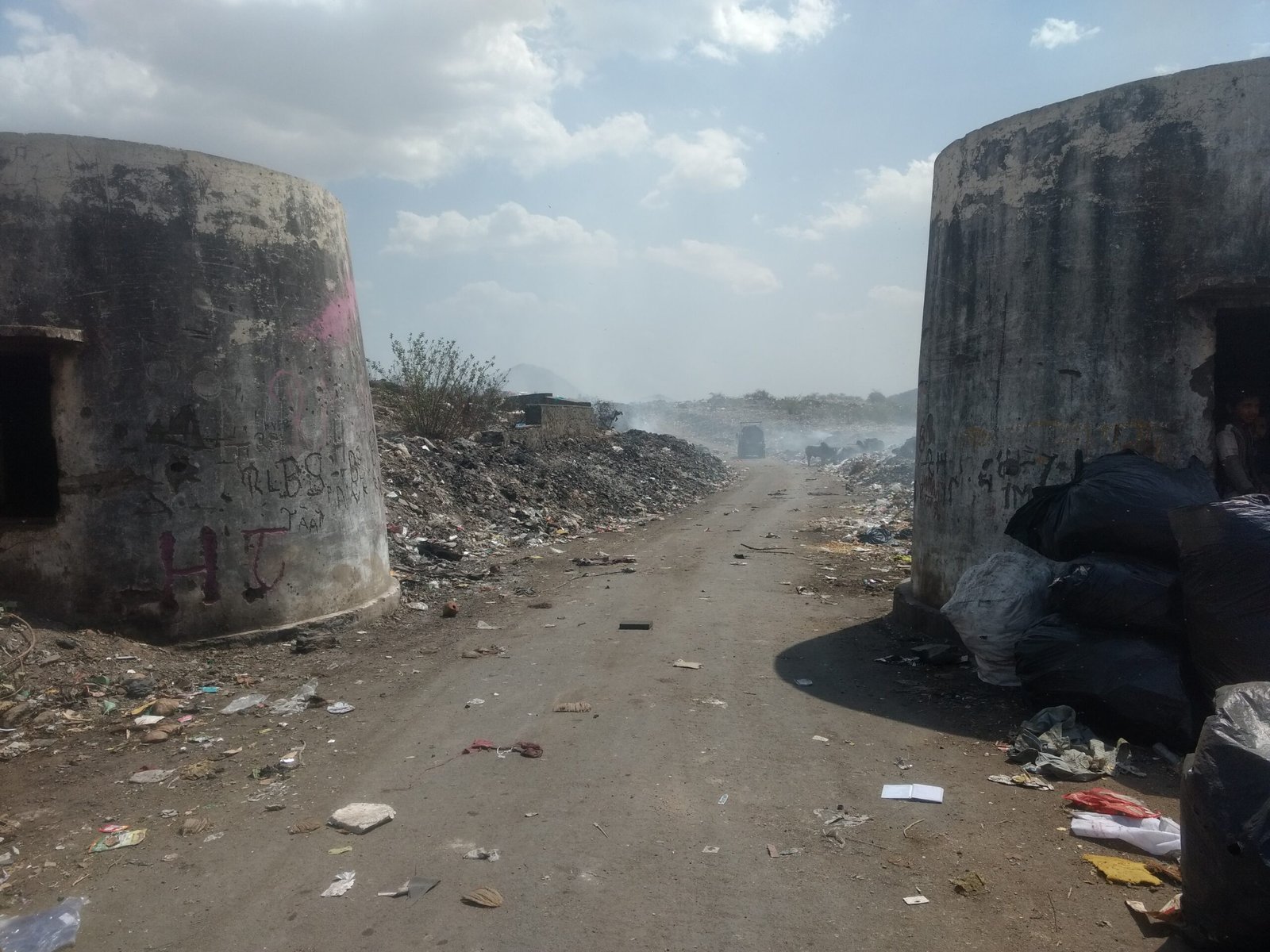
The collected waste is being directly dumped at the landfill site at Saveena Kheda. This could lead to severe environmental and health impacts in the city. Therefore, it is important to put in place a mechanism for proper collection, transportation, and processing and disposal of municipal solid waste in the City.
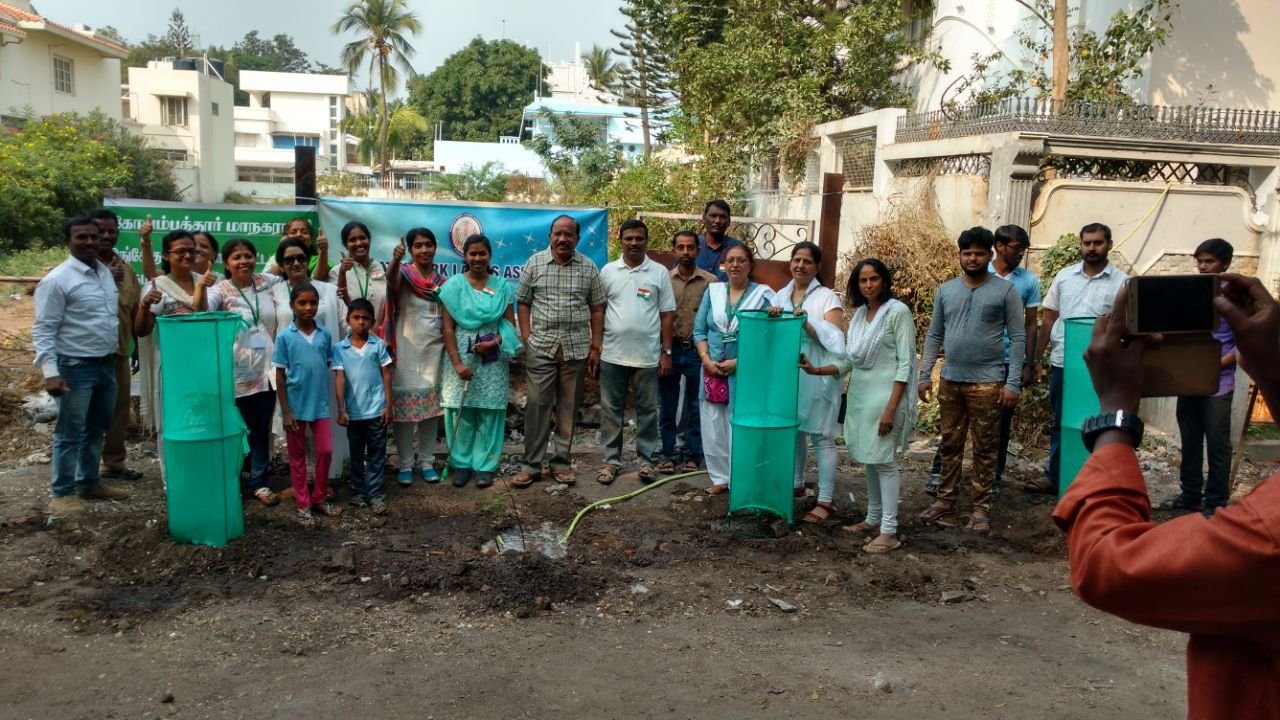
With the objective to support the city in its larger objective of sustainable waste management, with focus on reduction of GHG emissions from waste disposal, the CapaCITIES team along with Udaipur Municipal Corporation (UMC), initiated segregation practices in two wards on a pilot scale. The two wards with approximately 3500 households and commercial entities were chosen in discussion with the UMC. As a first step towards the initiative, ICLEI South Asia had conducted recce and preliminary discussion with citizens regarding the existing waste management practices in their areas.
A quantification and characterization study of the two wards followed, to assess the quantity of waste being generated and the composition of waste. Various IEC activities were conducted from last 7 months in these wards to aware the citizens about waste segregation practice and its benefit to themselves, city and the environment. A set of two dustbins (green and blue) were also provided to 3359 families and 191 shop keepers of ward number 1 and 41 through the project and process for the Decentralized Municipal Solid Waste Treatment Plant is already initiated.