Rajkot is an industrial hub of Saurashtra region.
Traffic congestion and industrial pollution lead to poor air quality in Rajkot city. Shorter trips and intermittent frequency of available public transportation leads to increase in number of private vehicles. Inadequate last mile connectivity also restricts the usage of public transport. Auto-rickshaws, which are the preferred mode of public transportation due to frequent availability, apart from being illegal, add to traffic congestion problems. Trikon Baug, Hospital Chowk, and Greenland Chowk are some areas facing severe traffic congestion issues.
Better transport and traffic planning will have a significant impact on improving air quality. The CapaCITIES project is supporting Rajkot in improving ridership along the Bus Rapid Transit route by studying the need for last mile connectivity and proposing relevant measures. Feasibility for electrification of the BRT route is also being assessed.
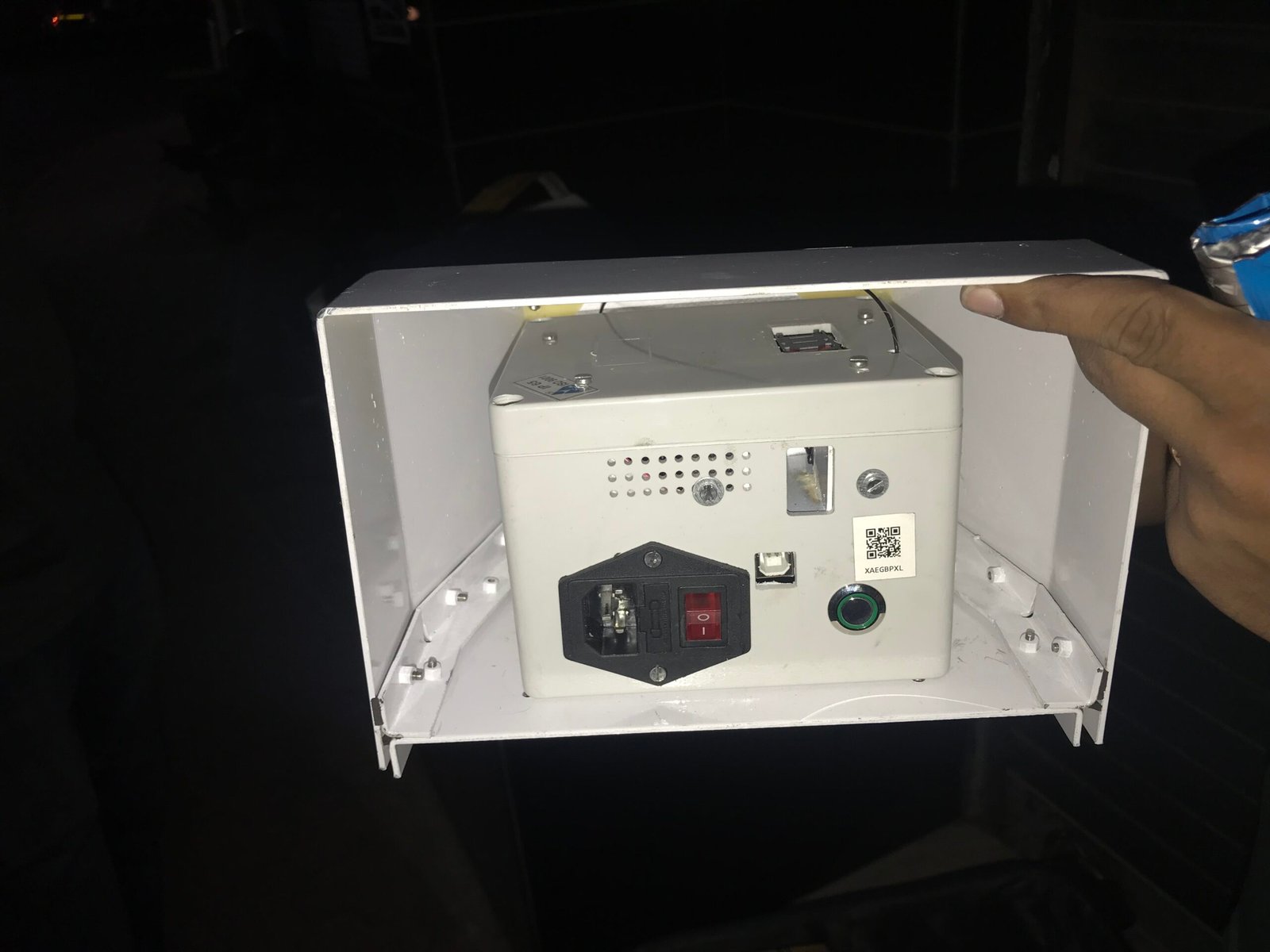
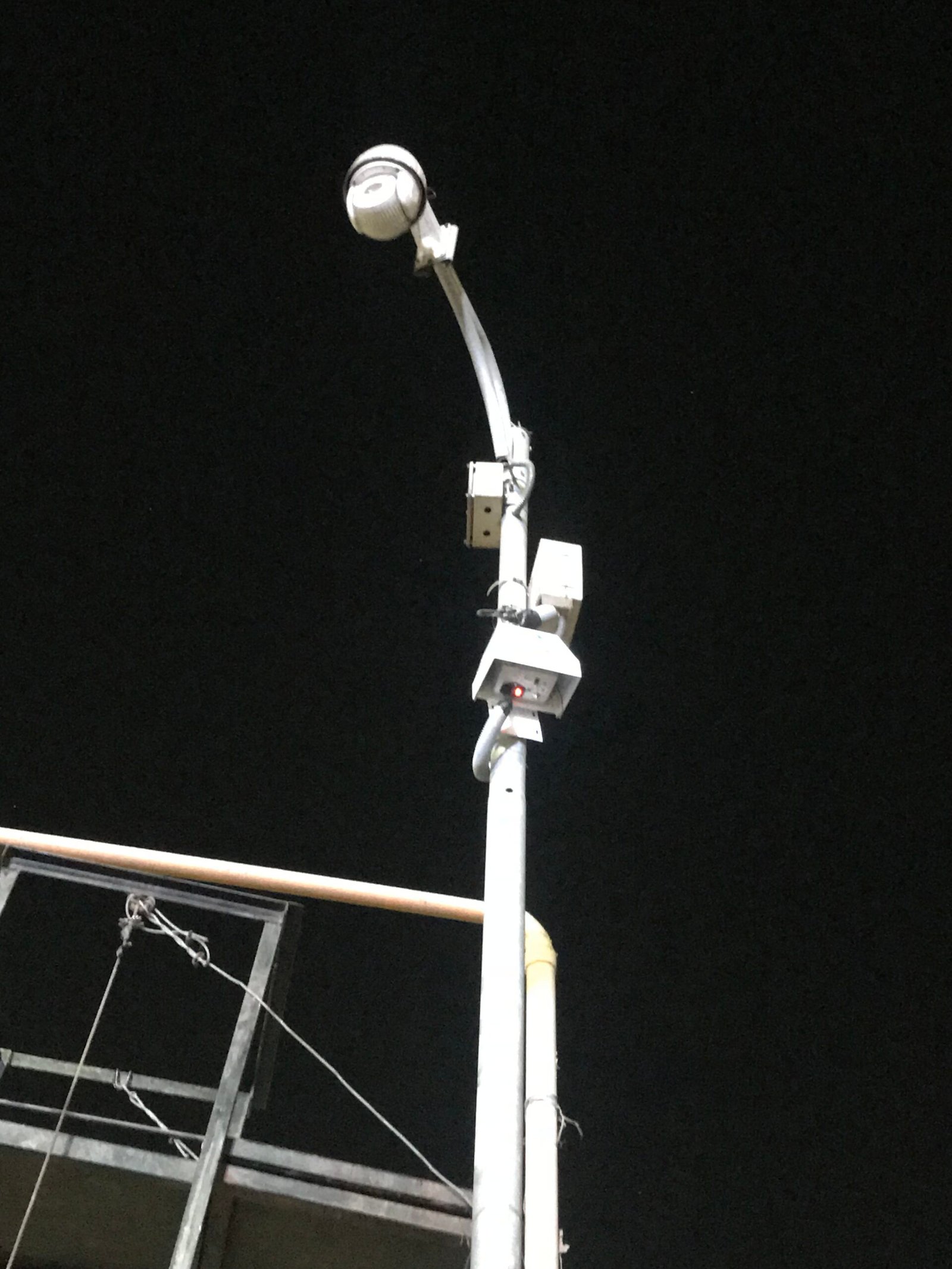
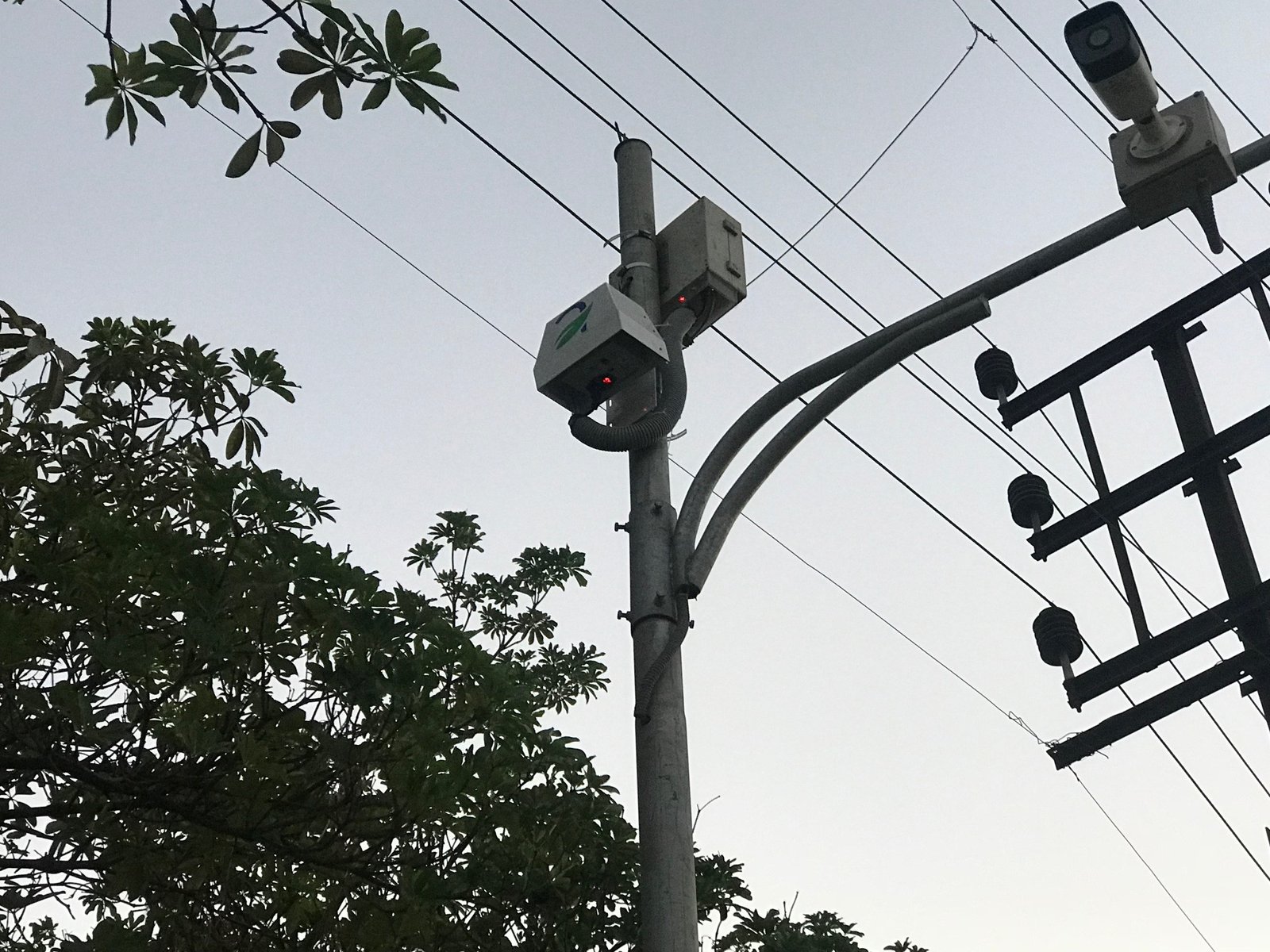
The two-sensor based particulate matter monitors are installed at Trikon Baug and RMC East Zone Office. Real time concentrations are monitored and the data is relayed to the RMC Integrated Command and Control Center. The Air Quality Index is also calculated and displayed. Real time results are also visible on the Rajkot Municipal Corporation (RMC) website (http://117.206.156.227:8090/public/stations/1).
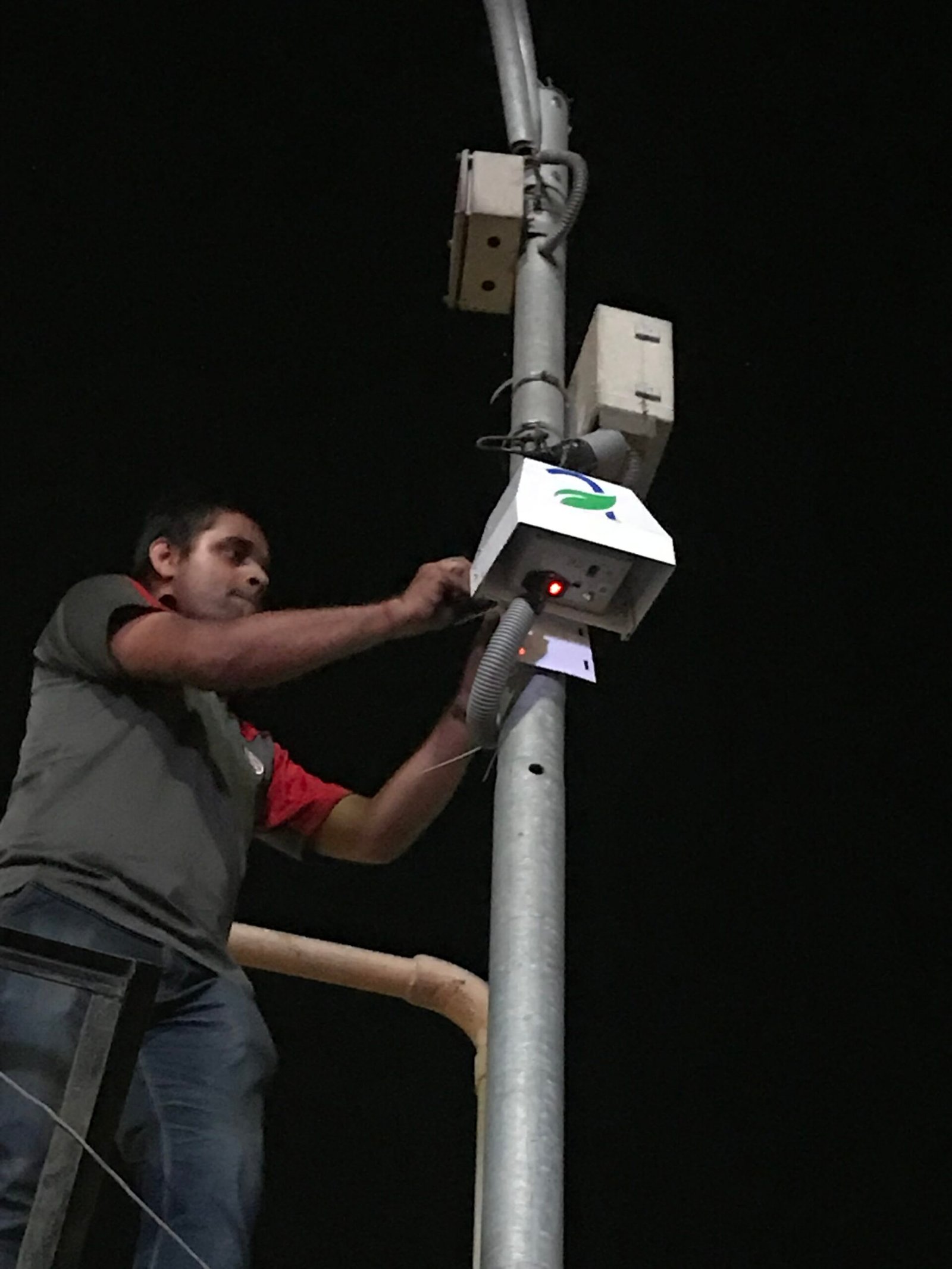
The project is also supporting the city by providing sensor based air quality monitoring stations, which will measure reductions in particulate matter (PM 2.5 and PM 10) as a result of potential improvements in ridership and public transport. While the city has already deployed 20 environmental sensors at different locations in the city to monitor temperature, humidity, CO2, O2, CO, SO2, Light, UV, Noise and NOx, these sensors do not have the ability to monitor PM 2.5 and PM 10, which are reference pollutants for assessing transport emission impacts on air quality.