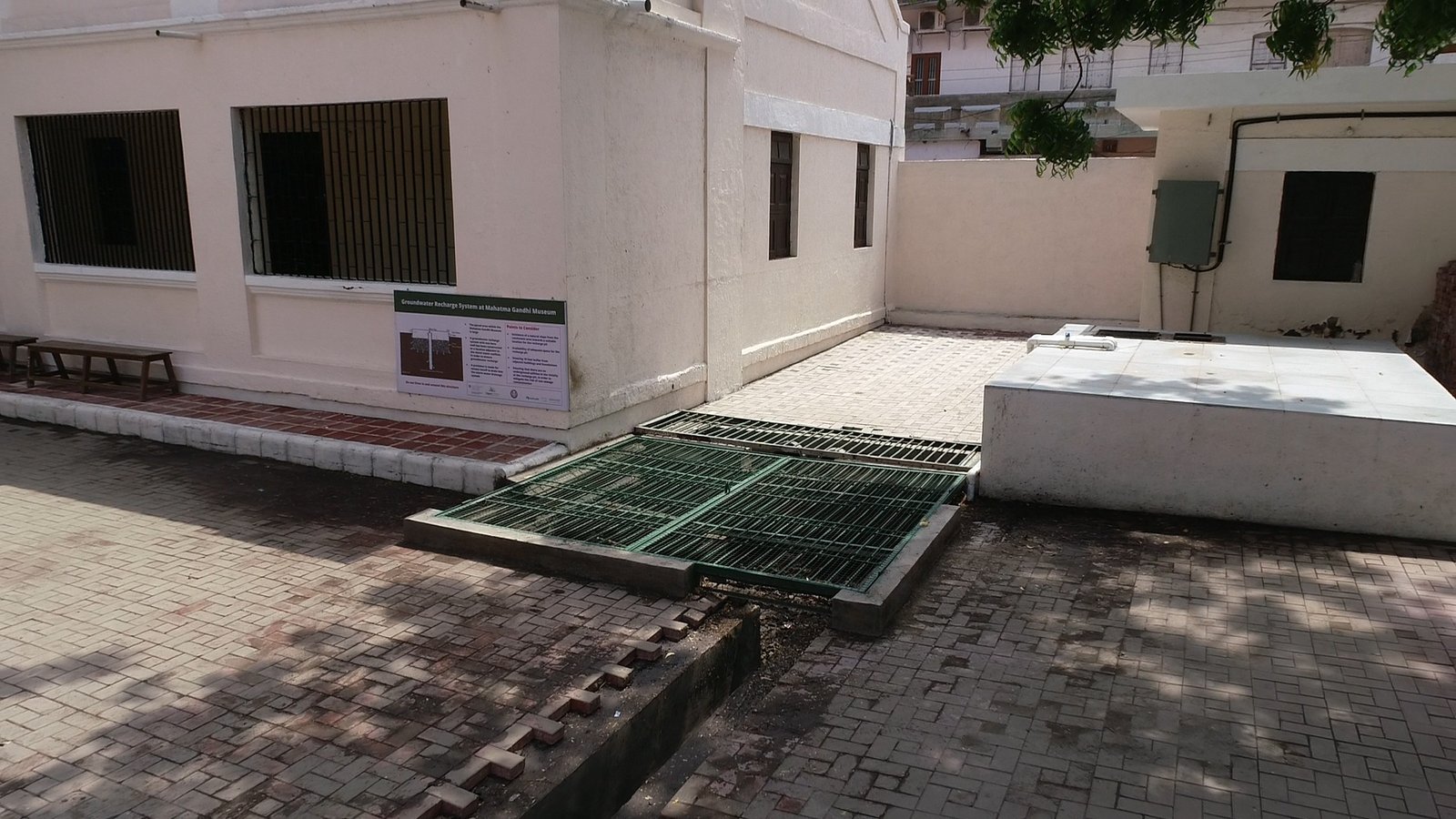
Supported installation of Ground Water Recharge Systems at 5 locations in Rajkot as pilot demonstrations for city to scale-up
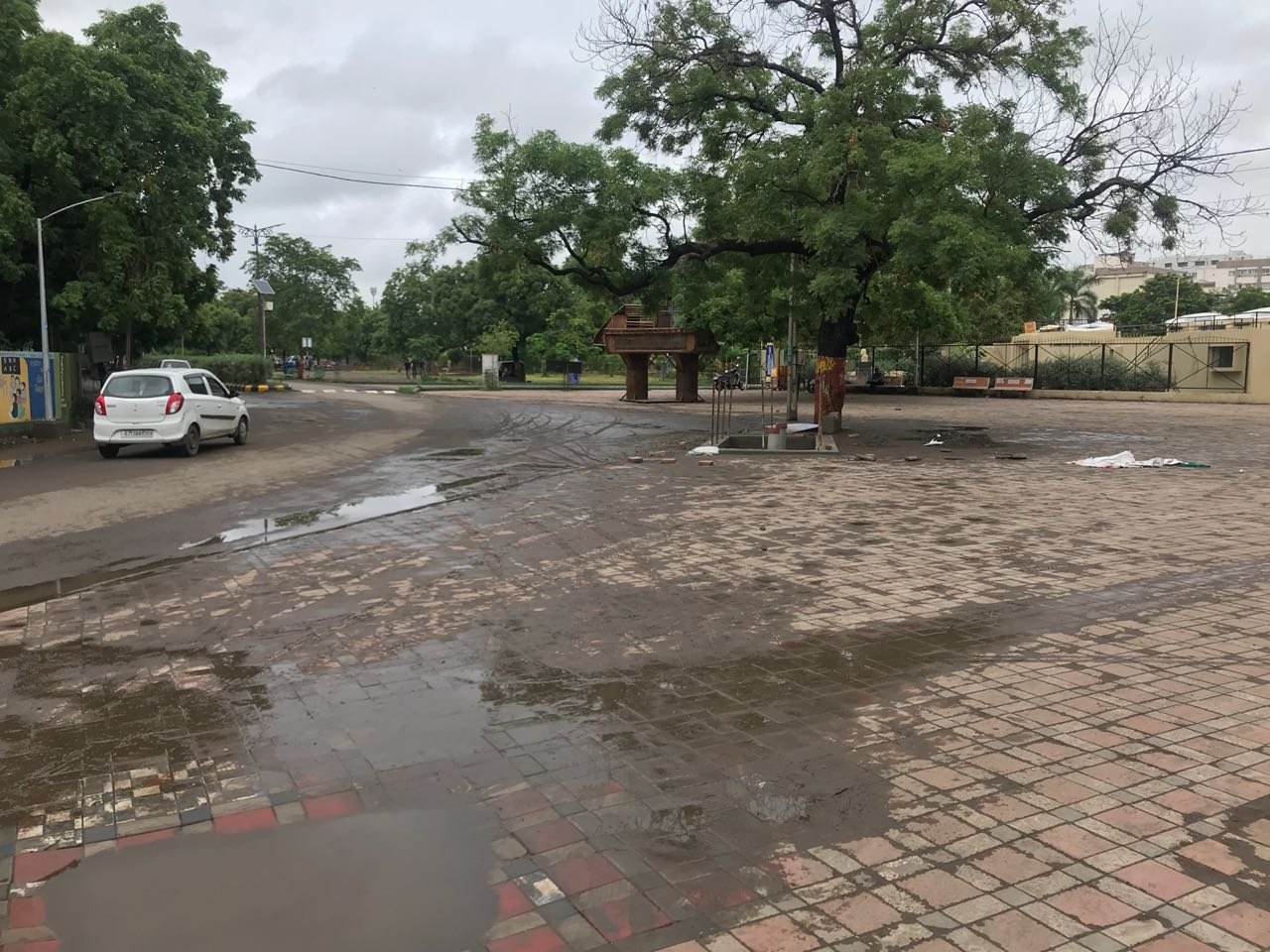
Rajkot lies in an arid zone, with irregular and erratic monsoons and predominantly experiences a hot and dry climate. The city depends on ground and surface water sources to meet water requirements. Locally available water bodies such as Aji-II and Nyari-II dams are abandoned as drinking water sources due to their unacceptable levels of pollution, from city waste water flows. Post monsoon, water is sourced from the Aji-I and Nyari-I dams and the surrounding lakes to meet part of the city water needs. Under such conditions, the rapidly expanding city is highly dependent on the distant Narmada canal water supplies. This dependence increases to over 90 percent in the dry months; the city faces severe water scarcity in the non-monsoon months. The off-take point from the Narmada is 700 km away from the city. Water supply accounts for 60% of electricity consumption by municipal facilities, accounting for 57% of resultant GHG emissions.
Ground water availability in general is dwindling in Rajkot due to increased pumping for various purposes, particularly in the western part of the city. As a result, citizens are resorting to deeper borewells, tapping the deeper aquifer, which is not desirable. Ground water quality issues have also been observed in the eastern part of the city. At the same time, many areas of the city get flooded during the rainy season, impacting life in the city.
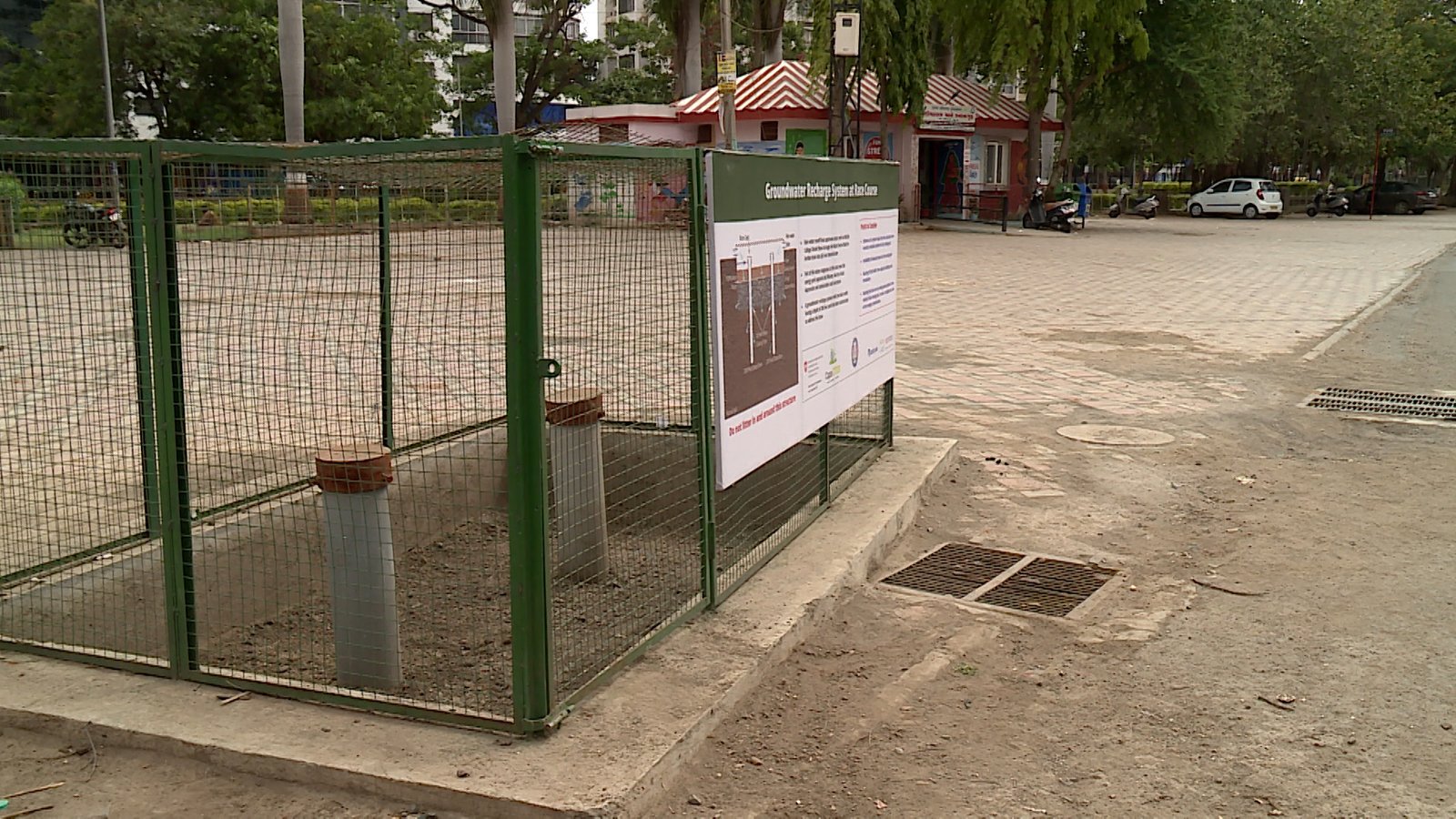
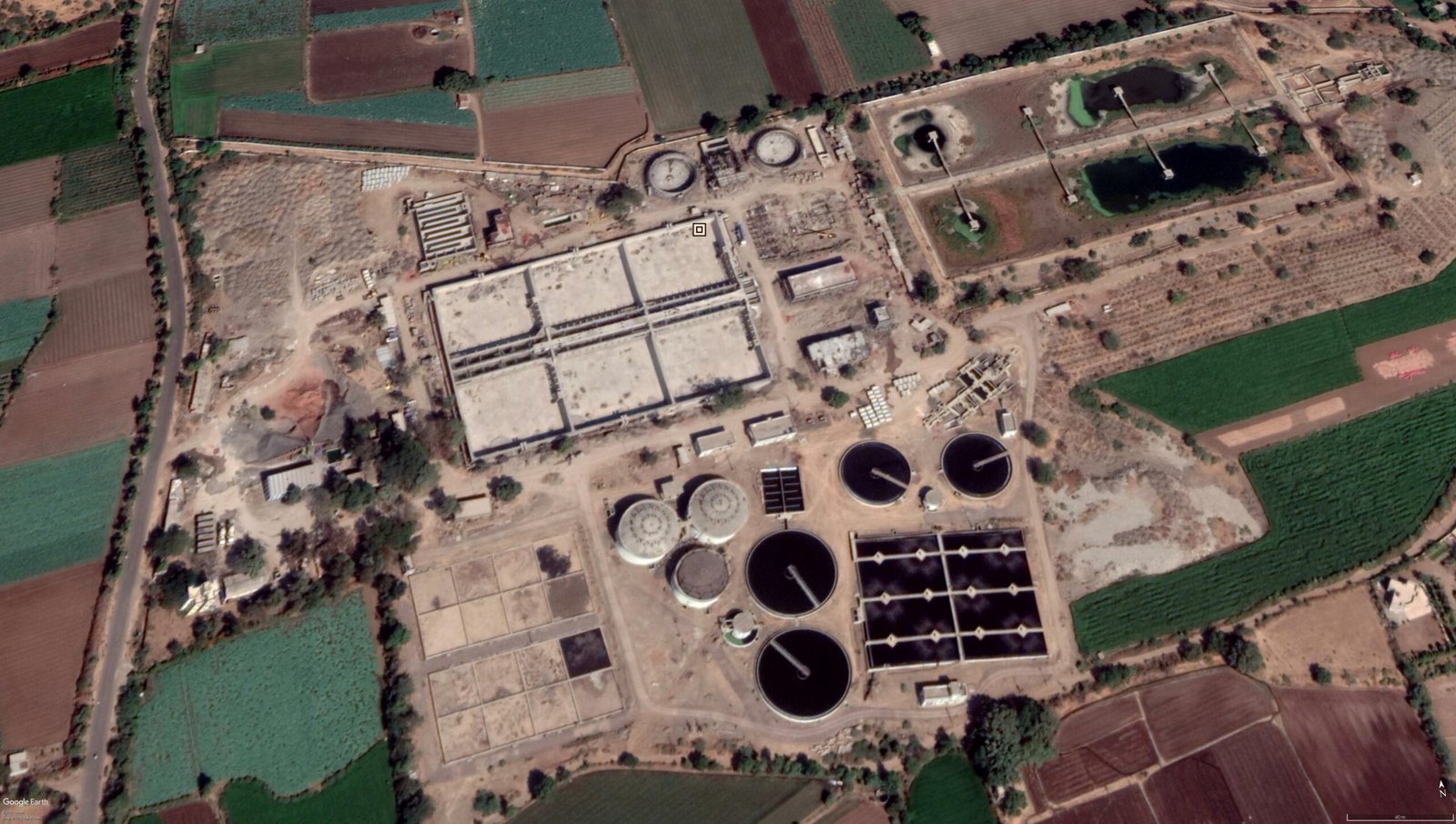
Ground water recharge systems, in combination with improvements to the storm water drainage systems have the potential to improve ground water availability and drain-off excess rain water, thereby avoiding localized flooding. Improving availability of local water resources would also reduce the need for pumping water over large distances, thereby also resulting in a reduction of GHG emissions from electricity use.